Why pairing matters
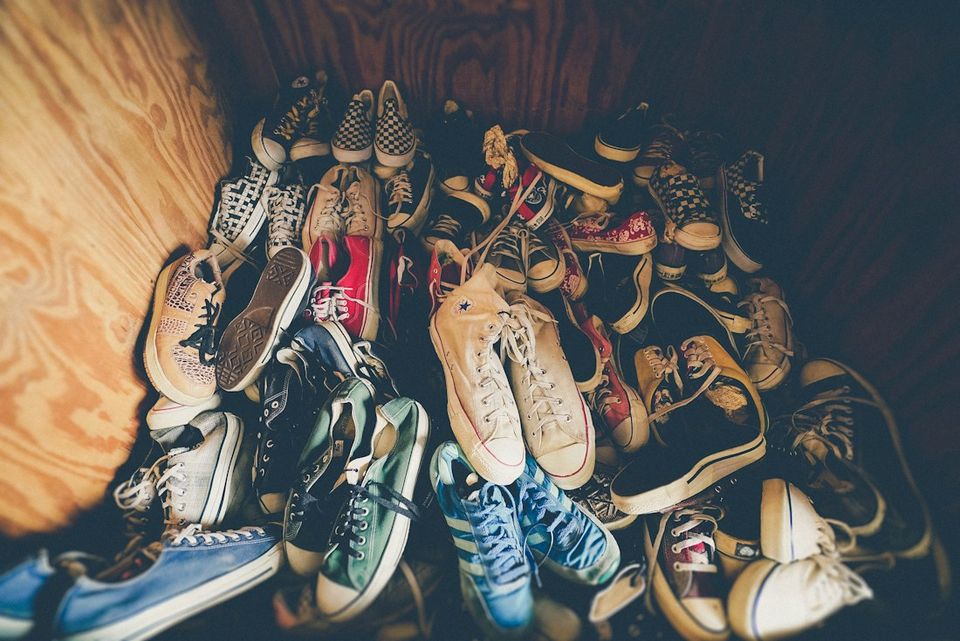
A single shoe has almost no resale value. A bale with many unmatched shoes is a loss, even if the shoes are in good condition.
Shoe bales from our sorting partners are sorted in pairs before baling. Ask the inspector to open sample bales and count unmatched shoes.
What is inside a shoe bale
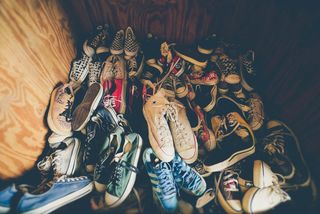
A typical shoe bale holds the styles below. Tell us which styles sell in your market, and we write them into the specification.
- Sports shoes and trainers
- Casual shoes and canvas shoes
- Formal shoes
- Boots, in season
- Children’s shoes
How to specify your shoe order
Write down what you need and ask for the same details on the pro-forma invoice:
- Grade: Cream or Grade A, paired
- Styles and the share of each, if it matters to your buyers
- Men, women and children split
- Bale weight and the number of bales per container
- Whether you want shoes only, or shoes and clothing in one container
Checking shoes before loading
Shoes hide problems that clothing does not: worn soles, broken heels and glue damage. An SGS or Bureau Veritas inspector opens sample bales at the sorting facility and checks grade, pairing and weight.
The report is issued in your name. In Kenya, used shoes also need a KEBS certificate of conformity, like used clothing. Check your country page for local rules.