What is inside a Tropical Mix bale
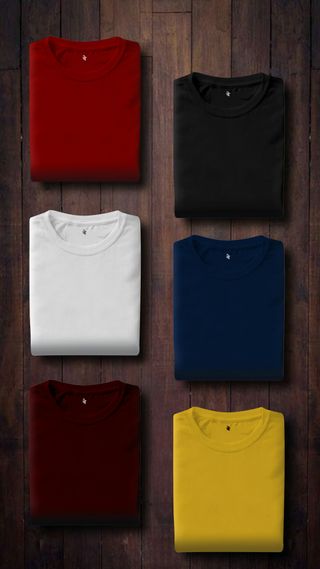
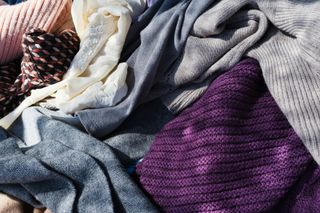
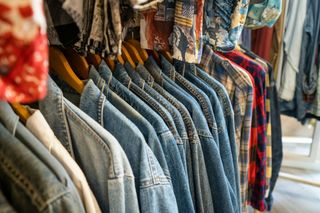
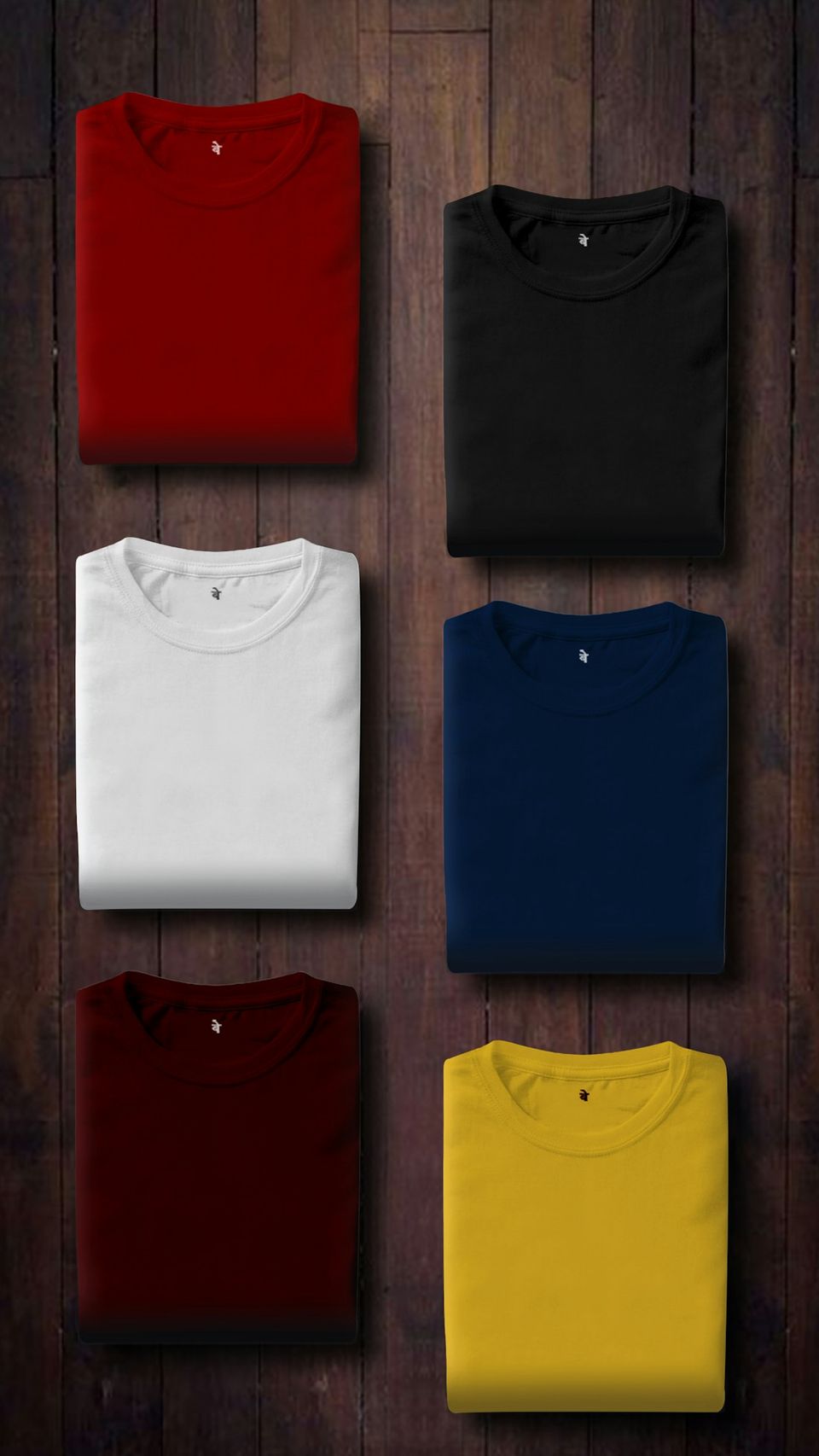
Tropical Mix holds light garments that people wear every day in a warm climate. It is the everyday category for most African markets, because the demand does not depend on a season.
A typical Tropical Mix includes the items below. The exact mix depends on the sorting facility, so we agree it with you before you pay.
- T-shirts and polo shirts
- Shirts and blouses
- Light trousers and shorts
- Dresses and skirts
- Light children’s wear
Grade A or Cream: which one for Tropical Mix
Grade A is good wearable clothing with light signs of use. It is the usual choice for market traders who sell many pieces at an everyday price.
Cream is near-new clothing with little or no visible wear. It costs more per kilogram and suits traders who sell to shops or to buyers who look for branded pieces. If you are not sure, start with one container of each grade and compare how fast they sell.
How to specify your Tropical Mix order
Most disputes about used clothing start with a vague order. Write down what you need, and ask for the same details on the pro-forma invoice. We put these points on every Tropical Mix invoice:
- Grade: Cream, Grade A or Grade B, one grade per line
- Garment types and the share of each, if it matters to your buyers
- Men, women and children split, if you need one
- Bale weight and the number of bales per container
- Your local name for the grade, next to ours
- Container size (20ft or 40ft) and your port of discharge
How to check the bales before loading
You cannot open every bale in Europe yourself. An independent inspection does it for you: SGS or Bureau Veritas open sample bales at the sorting facility, check the grade and the weight, and watch the loading.
The report is issued in your name, so it protects you, not the seller. We recommend it for every first order and for every Cream container.