What is the difference between Cream, Grade A and Grade B?
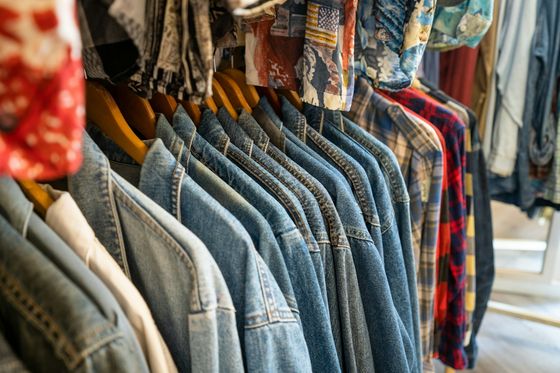
The 3 grades describe the condition of the clothes. They do not describe the category, such as jeans or children’s wear. You choose the grade and the category separately.
| Cream | Grade A | Grade B | |
|---|---|---|---|
| Condition | Near-new, little or no visible wear | Good wearable condition, light signs of use | More visible wear, sometimes minor defects |
| Price per kg | Highest of the 3 | Lower than Cream | Lowest of the 3 |
| Suits customers who | Pay for brands and near-new condition | Want good condition at a lower price | Need the lowest price, such as hawkers’ customers |
| Our offer | Yes | Yes | On request |
Cream costs more per kg than Grade A, and it sells at a higher margin. A Gikomba trade guide describes Grade B as cheaper but still sellable to hawkers or low-income markets.
Some markets use other names for these grades. Kenya has camera and creme. French-speaking markets use 1er choix. Our guide to mitumba bale grades maps the local names.
Which grade suits your market?
Start with your customers, not with the grade name. Ask yourself 3 questions:
- What do your customers pay for one piece? If they pay for brands and near-new condition, look at Cream. If price comes first, look at Grade A or Grade B.
- How do you sell? If you sell piece by piece, count how many pieces in a bale you can sell at your price. If you resell whole bales, ask your buyers which grade they want.
- What is your climate? Choose a tropical or a winter mix first, then the grade.
For a first container, one grade and one category make it easier to judge the result. You can add a second grade on a later order.
Why are grade names not the same everywhere?
Grade names come from the trade, not from a public standard. Each sorter writes its own grade rules.
Sorting is done by hand. A Dutch guide to textile sorting says trained workers sort reusable items into more than 200 categories. It describes at least 3 quality grades: crème, first quality and second quality. A Gikomba trade guide uses other names: crème or camera, Grade A, Grade B and fagia.
So the same bale can carry different names in different places. Two sorters can also judge the same item in different ways. This is normal. It is also why you need the grade in writing.
How do you check a bale?
Use the same method at inspection in Europe and on arrival at your warehouse. One bale does not tell you about a whole container, so check several.
- Pick bales at random. Do not let the seller choose them.
- Weigh each bale. Compare the weight with the bale label and the packing list.
- Check the label. It should show the grade and the category you ordered.
- Open the bale and sort it into 3 piles: matches the grade, lower grade, not wearable.
- Count each pile. Write the numbers down for each bale.
- Check the category. Look at sizes, gender and climate. Winter coats in a tropical mix are a fault.
- Look for contamination. Wet or mouldy items and non-textile waste do not belong in a bale.
- Take photos of each pile with the bale label in view.
Keep the photos and your notes with the bale number. Then you can show exactly which bale was wrong.
Why does mixing grades in one spec cause disputes?
A line such as “Cream/Grade A mix” has no clear pass or fail. Here is what goes wrong:
- No test. The seller can call a Grade A bale a pass, and you can call it a fail. Both readings fit the words.
- No price check. Cream costs more per kg. A mixed line hides how much of each grade you pay for.
- No inspection result. An inspector checks the bales against what is written. A vague line gives a vague report.
Write one grade per line instead. Use this template and fill in your own values:
| Line | Grade | Category | Climate | Bales | Weight per bale |
|---|---|---|---|---|---|
| 1 | Cream | [your category] | [tropical or winter] | [number] | [kg] |
| 2 | Grade A | [your category] | [tropical or winter] | [number] | [kg] |
Add the defects you do not accept, such as holes, stains or broken zips. Add the items your country bans.
What does an independent inspection add?
Every container can have an independent pre-shipment inspection by SGS or Bureau Veritas. It takes place at the sorting facility, before the container is sealed. The report is issued in your name. It covers bale weight, grade, contamination and photos.
The inspector checks the grade you wrote on the pro-forma invoice. A clear grade line gives you a clear report. We strongly recommend an inspection for a first order. Read more on our quality control page.
Next step
Choose your grade, category, port and container size. We confirm stock with our sorting partners and send you a pro-forma invoice before any payment. Request a quote.