Now quoting FCL

+48 573 446 929 info@balebridge.com

Glossary · Grades

What does Grade B mean?

Also written: B grade · B-grade · second grade · 2e choix

Updated 28 Nov 2026 · BaleBridge · How we check sources

GradesEntry 11 / 21

Grade B

also: B grade · B-grade · second grade · 2e choix

Condition
Visible wear, sometimes minor defects
Price
Lower per kg than Grade A
Typical buyers
Hawkers and low-income markets (Gikomba trade guide)
Below Grade B
Fagia: damaged or heavily worn items
On a BaleBridge invoice
Grade B, on request
Definition Updated 28 Nov 2026

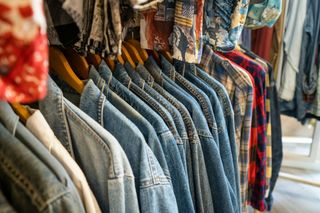
Grade B is a grade of sorted used clothing with more visible wear than Grade A, and sometimes minor defects. It sells at a lower price per kg. In Gikomba, hawkers and low-income markets buy it. European sorters may use “B-grade” for a different grade, so always ask for a written description.

What does Grade B mean?

Grade B is wearable clothing that shows clear signs of use. A Gikomba trade guide describes Grade B as more worn items, sometimes with minor defects. It says they are cheaper, but still sell to hawkers or low-income markets. The guide tells buyers to ask suppliers to define each grade before they buy.

Below Grade B, the guide lists fagia: low-quality items, often damaged or heavily worn. It advises buyers to avoid fagia unless they target a very low-budget market. Our grades stop at Grade B, so we do not offer fagia. Ask any seller whether a low-price offer is Grade B or fagia.

Does B-grade mean the same thing in Europe?

Not always. A 2023 study for EuRIC Textiles, part of the European Recycling Industries’ Confederation, uses B-grade for second-grade textiles. It says these are typically sold to Eastern Europe and the Middle East. In that study, the lowest qualities go to Asian markets.

A Dutch sorting guide from 2021 uses other names again. It lists crème, first quality and second quality. It says second quality goes mainly to African and Asian countries. So a European B-grade may not equal a Gikomba Grade B. Ask the seller to describe the wear and defects in writing.

How do you order Grade B without disputes?

A Grade B bale inside a Grade A order is hard to prove if the grade line is vague. Put Grade B on its own line on the pro-forma invoice, with its own bale count. List the defects you accept and those you refuse, for example holes, stains or broken zips.

Check your country’s banned items too. Kenya, for example, bans used undergarments, nightwear, hospital wear and used bath towels in bales. We supply Grade B on request, next to our main grades, Cream and Grade A. An inspector can check Grade B bales before loading, with the report in your name.
FAQ

Questions about Grade B

Your question is not here?

Send it on WhatsApp with your port. A person replies, not a bot.

Ask on WhatsApp

Or write to info@balebridge.com

Who buys Grade B used clothing?

Mostly price-sensitive markets. A Gikomba trade guide says Grade B still sells to hawkers and low-income markets, even though it is more worn. It costs less per kg than Grade A.

Is Grade B the same as 2e choix?

On our French pages, yes. Other sources use other names. A 2023 European study uses B-grade for second-grade textiles sold to Eastern Europe and the Middle East. Ask any seller what the name means.

Does BaleBridge sell Grade B?

Yes, on request. We source Cream and Grade A as standard. Grade B goes on its own line on your pro-forma invoice. It can be inspected before loading like any other grade.

Know what’s in your container before it leaves Europe

Send your port, grade and container size. We reply with a pro-forma invoice.

  • 20ft / 40ft FCL
  • SGS or BV inspection
  • CIF or FOB
WhatsApp Request a quote