



What does FOB mean?
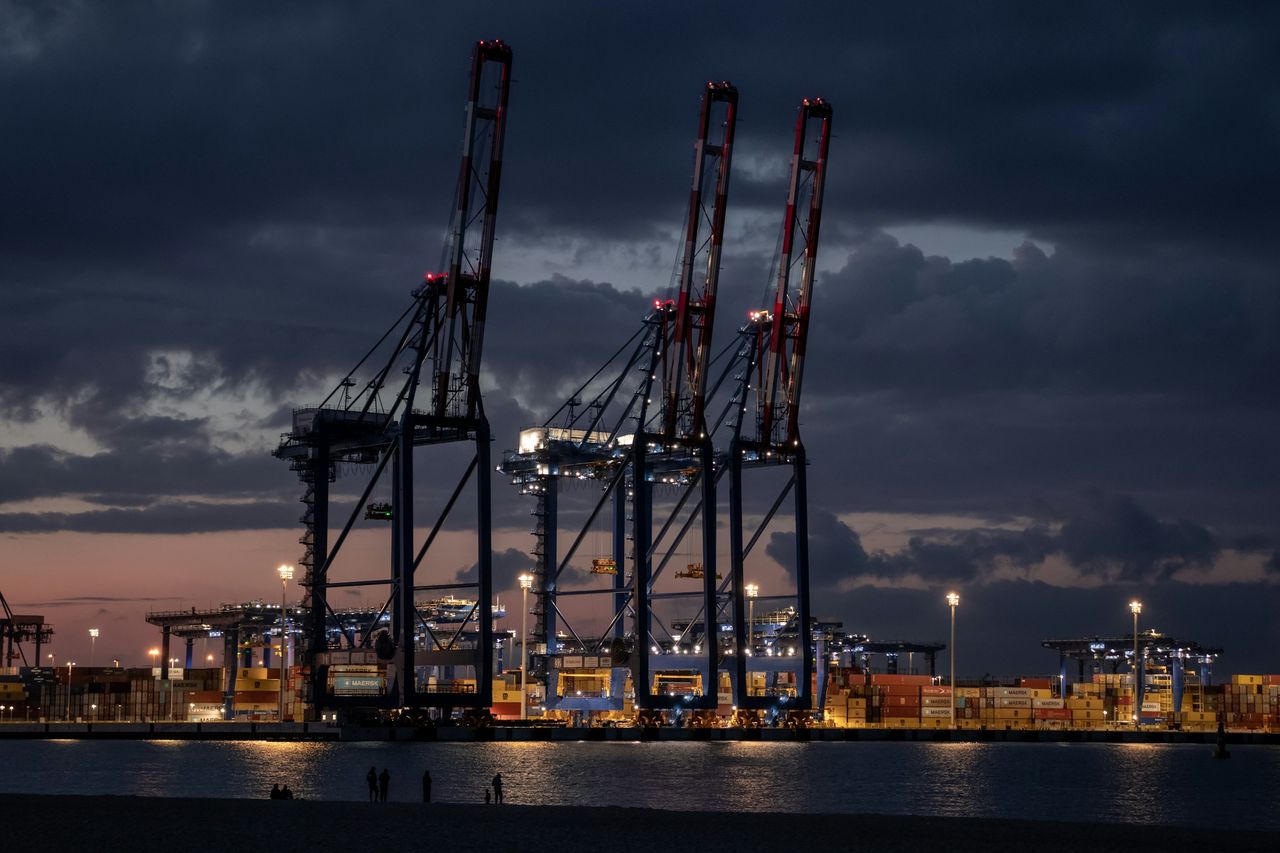
FOB is one of the 11 Incoterms 2020 rules published by the International Chamber of Commerce (ICC). The seller delivers the goods on board the vessel at the named port of shipment. The contract names that port after the letters FOB. The seller also completes the export formalities.
You, the buyer, contract and pay the carrier from that port. Risk passes to you once the goods are loaded on the vessel. From that point, loss or damage at sea is your risk. The seller has no duty to insure the voyage, so you buy cover yourself if you want it.
When does FOB suit a used clothing importer?
Local insurance rules matter here. An ICC report of January 2025 names Kenya, Tanzania, Ghana and Senegal. It says they do not allow foreign transport insurance for CIF or CIP imports. In those countries, ask your clearing agent whether FOB with local cover is the simpler route. FOB often suits you in these cases:
- You have a forwarder with good rates to your port.
- Your country requires cargo insurance from a local insurer.
- You ship several containers and want one forwarder for all of them.
- You want to choose the shipping line and the vessel yourself.
What should you agree with an FOB seller?
ICC’s Incoterms 2020 checklist warns that many disputes arise over loading charges, terminal handling, container rental and customs processing. This happens even when the parties chose a rule. ICC suggests making a list of these costs and agreeing them in the contract, in addition to the Incoterm.
ICC Academy says FCA is the appropriate rule when goods travel in containers or on pallets. ICC’s checklist suggests FOB for goods loaded directly on board, or when you want risk to pass at that point. We quote FOB and CIF. If your bank or forwarder needs FCA, tell us before the pro-forma invoice.