What does HS 6309 cover?
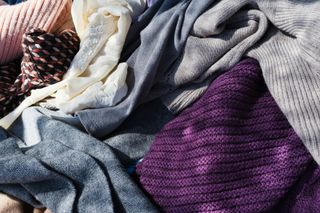
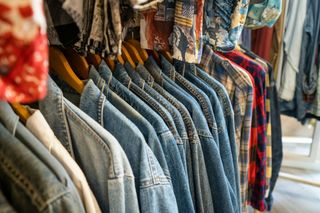
The Harmonized System is the goods nomenclature of the World Customs Organization. In HS 2022, heading 63.09 reads “Worn clothing and other worn articles”. Note 3 to Chapter 63 limits it to certain goods. These are textile clothing and accessories, blankets, household linen and furnishing articles, plus footwear and headgear.
The note sets two conditions. The goods must show signs of appreciable wear. They must also be presented in bulk or in bales, sacks or similar packings. Clothing that shows no wear does not meet the first condition. Used or new rags and scrap twine fall under heading 63.10 instead.
How does the EAC split heading 6309?
Countries add digits for their own tariff lines. The East African Community tariff uses 6309.00.10 for worn items of clothing and 6309.00.20 for worn footwear. Other worn articles go under 6309.00.90. Your clearing agent decides the line. Clothes and shoes in one container can fall under different lines.
The EAC Gazette of 30 June 2026 sets one-year rates. For worn clothing, the base CET rate is 35% or USD 0.40 per kg, whichever is higher. Kenya applies 35% or USD 0.20 per kg. Uganda, Burundi and Tanzania apply 35%. Rwanda applies USD 2.5 per kg for clothing and USD 5 per kg for footwear.
Why does HS 6309 matter outside customs?
Trade statistics use the same heading. A January 2023 study for EuRIC Textiles tracks EU exports under CN 6309. They rose from 400,000 tonnes in 2003 to 1.3 million tonnes in 2019. In 2020, Pakistan took the largest share of the volume, 14.5%. The study notes that the data mix reusable clothing with recycling fractions.
Rates change, often once a year in the EAC. Ask your clearing agent for the line and the rate in force on the day you clear. Give the agent your real customs value, weight and Incoterm, so the estimate fits your container.