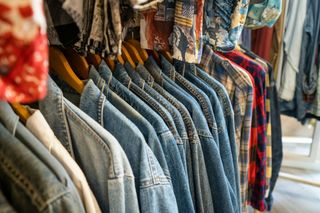
Is used clothing banned in Nigeria?
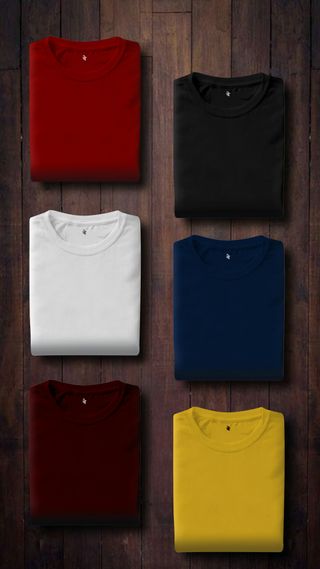
Yes. The Nigeria Customs Service (NCS) keeps a list of goods whose import is absolutely prohibited. Second-hand clothing is on that list. The US International Trade Administration reports the same list in its Nigeria guide.
This list is stricter than the list of goods that are only restricted.
The list says second-hand clothing and names no grade. So Cream, Grade A and Grade B are all covered.
Rules can change. Before you act, check the current list on the NCS website. You can also ask a licensed customs agent in Nigeria.
What does okrika mean?
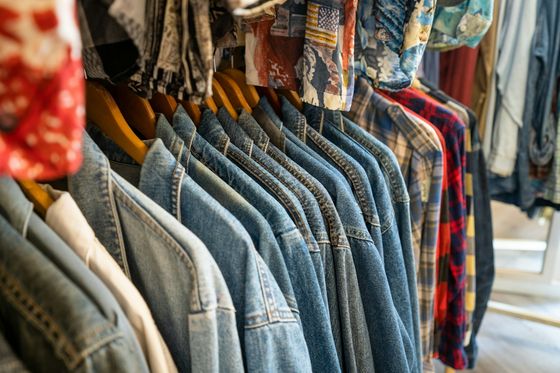
In Nigeria, second-hand clothing is usually called okrika. A 2010 study of the trade in Yoruba land uses this name. The same study gives a Yoruba name, bosikona, which it translates as “hide in a corner”.
Okrika is also the name of a town and local government area in Rivers State. A popular account links the name of the clothes to this port town. That account comes from traders’ stories, not from documents.
Markets that sell used clothing in Nigerian cities are often called okrika markets. The 2010 study describes how used clothing still reaches these markets despite the ban.
Why does Nigeria ban used clothing imports?
A 2010 study of the trade gives the reasons reported at the time. Nigeria set import prohibitions on some textiles and clothing for health, safety and moral reasons. The study also says the ban aimed to protect local clothing and textile industries.
The same study found that smuggling kept used clothing in Nigerian markets. It argued that the ban did not help local industries as planned. The seizures in 2026 show that Customs still enforces the ban.
How does Customs enforce the ban?
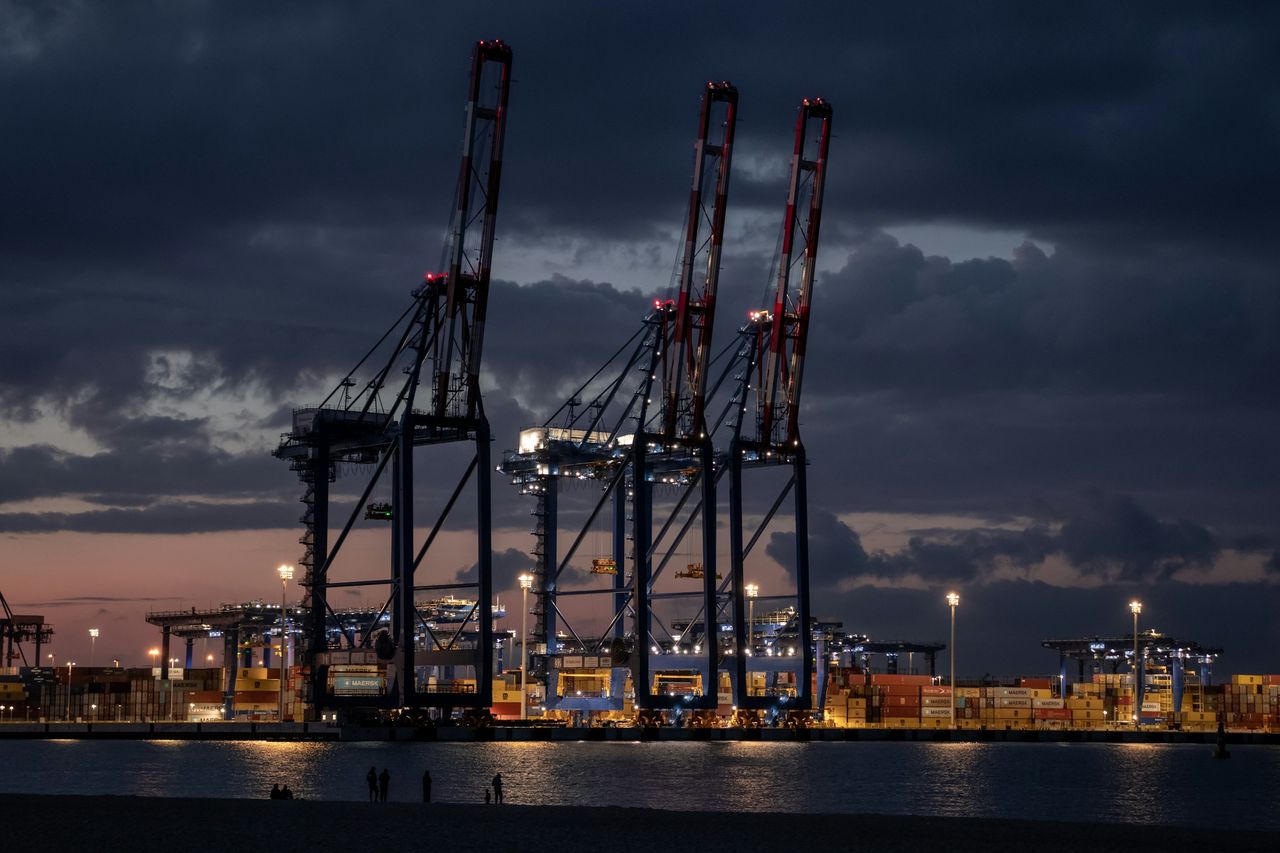
Customs seizes used clothing at sea ports and at land borders. These are recent examples:
| Date reported | Place | What was reported |
|---|---|---|
| September 2026 | Apapa port, Lagos | 1,282 bales of used clothing in 3 containers of 40ft |
| September 2026 | Onne port, Rivers State | 9 containers of 40ft with used clothing among seized goods |
| May 2026 | Ogun State | 66 bales of second-hand clothing among seized goods |
At Onne, officials said some seized goods had been falsely declared as machinery and spare parts. They said the goods were seized under Sections 55 and 233 of the Nigeria Customs Service Act, 2023. They also said the owners would be prosecuted.
The Ogun seizures show that bales entering by land are also seized. Moving the goods through a neighbouring country does not make them legal in Nigeria.
What are the risks of shipping used clothing to Nigeria?
If you buy a container of used clothing for Nigeria, you face these risks:
- Seizure. Customs can seize the whole container. You lose the goods and the money you paid for them.
- Prosecution. In the Onne case, officials said the owners of the seized goods would be prosecuted.
- False documents. A container declared as other goods is a false declaration. That adds to the legal risk.
- Payment risk. While the ban is in force, no seller can clear used clothing legally at a Nigerian port.
A seller may still offer used clothing delivered to a Nigerian port. There is no legal way to clear it while the ban is in force. Do not pay a deposit for such an offer. Our guide on red flags before you pay a deposit explains the checks.
Does BaleBridge ship used clothing to Nigeria?
No. We do not ship used clothing to Nigeria. We do not offer delivery to Nigerian ports, and we do not arrange routes that avoid Nigerian customs.
We will update this guide if the official prohibition list changes.
If you also trade in another country in the region, check that country’s own rules first. Each country decides for itself. A legal import in one country does not make resale across a border legal. Our destination pages show the import status we found for each country we serve.
Where can you check the current rules?
Use official sources and licensed professionals:
- The Nigeria Customs Service website. Check the list of goods whose import is absolutely prohibited.
- A licensed customs agent in Nigeria. Ask for written advice before you sign any contract.
- The rules of the country where you trade. Other countries in the region have their own rules for used clothing.
Our guide on how to import used clothing from Europe shows how rules differ between countries.
Next step
See which countries we ship to, and the import status we found for each one, on our destinations page.