What does kaunjika mean?
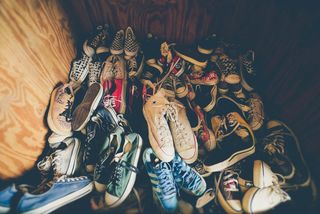
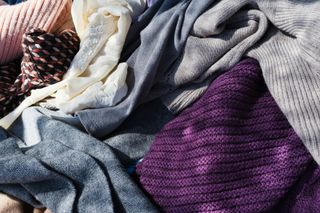
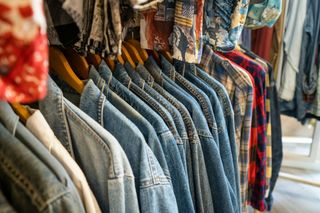
Kaunjika is the everyday word for imported second-hand clothing in Malawi. Dan Banik and Kaja Elise Gresko of the University of Oslo studied the trade from 2018 to 2020. Writing in The Conversation, they translate kaunjika as “clothes sold in a heap”.
Sources do not fully agree. A Nyasa Times report from October 2020 calls kaunjika the Chinyanja word for “bundles”. We found no dictionary entry that settles the question. Both meanings point to how the clothes are sold: in bulk, from bales and piles.
Why do Malawians buy kaunjika?
The Oslo researchers visited markets and malls in Blantyre, Limbe, Zomba and Lilongwe. Many buyers saw used clothes from high-income countries as better quality than new items in local markets. Some paid more for them than for new clothes. Younger buyers also valued fashion and the uniqueness of imported pieces.
The researchers found that much used clothing sells to middle-income urban buyers. Lower-quality items move on to rural vendors. Vendors also sold kaunjika from China, which they valued for sizes and styles that suit local tastes. Grade and fit both affect what you can sell.
What are the import rules for kaunjika?
The US Commercial Guide for Malawi was published in June 2026. It lists second-hand clothes exceeding one bale among goods that need an import permit. It says underwear, including pants and bras, is strictly not to be imported. The Ministry of Industry and Trade issues import licences.
Customs uses a set value per kg for used clothing. In March 2024, the Malawi Revenue Authority withdrew a planned rise from USD 1.90 to USD 2.50 per kg. Vendors and importers had protested in Lilongwe. The Nation reported that the value stayed at CIF USD 1.90 per kg. Check the current circular before you order.