What does mitumba mean?
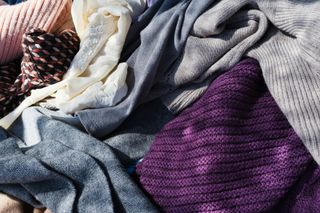
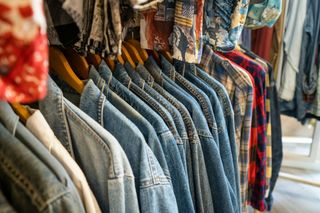
Mitumba is a Swahili word. Wiktionary lists it as the plural of mtumba, meaning a bundle or bale. In English, it now means second-hand clothing, especially items first given to aid agencies and later sold. So the name for the goods comes from the bales they travel in.
In Gikomba market in Nairobi, traders sell mitumba by the bale and by the piece. The first pick from a newly opened bale is called camera, and the next buyer is called set. Grade names such as creme, Grade A and Grade B come from traders, not from a public standard.
How big is the mitumba trade?
Kenya is Africa’s leading importer of mitumba. The BBC reported this in May 2026, citing the Observatory of Economic Complexity. UN trade data show Kenya received almost 180,000 tonnes of used clothing in 2022. That was 76% more than in 2013.
The Mitumba Consortium Association of Kenya commissioned research on jobs. It found that up to 4.9 million people in East Africa rely on the trade. The BBC notes that no official employment data exist. In 2015, EAC members announced plans to phase out mitumba imports. After US pressure over AGOA trade access, all members except Rwanda dropped the plan.
What import duty applies to mitumba?
Rates differ by country and can change each year. The EAC Gazette of 30 June 2026 sets Kenya’s rate for worn clothing for one year. It is 35% or USD 0.20 per kg, whichever is higher. Uganda and Tanzania apply 35%. Rwanda applies USD 2.5 per kg.
News reports do not always match the Gazette. The BBC report of May 2026 gave a 30% customs duty for Kenya. It also said Uganda added a 30% environmental levy on worn clothing, on top of duty and VAT. Ask a licensed clearing agent for the rates in force before you order.