What does obroni wawu mean?
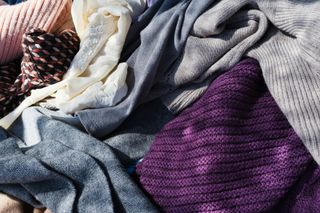
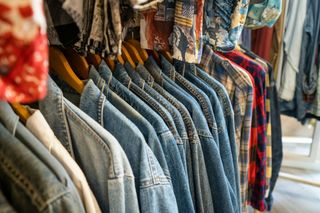
Obroni wawu comes from Twi, a language spoken in Ghana. The World, a programme from the US public media company PRX, translated it in 2021 as “dead white man’s clothes”. It spelled the phrase obroni wa wu. The name refers to second-hand clothing that reaches Ghana from abroad.
Popular accounts explain the name in different ways. We found no settled history of the phrase, so we do not repeat any one story as fact. In the trade, obroni wawu simply means imported used clothing, sold in bales to wholesalers and market traders.
What is Kantamanto market?
Kantamanto in Accra is the hub of the obroni wawu trade. In 2021, The World called it the largest second-hand clothing market in Africa. It reported that over 30,000 people trade in used clothing there. It also said over 15 million pieces of used clothing arrive in Ghana every week.
In June 2025, the European Environmental Bureau (EEB) wrote about Kantamanto. It said about 30,000 people work there in resale, repair and remaking. It reported that a fire on 2 January 2025 destroyed 60% of the market. Porters known as kayayei carry bales through its narrow alleys on their heads.
What does this mean for your container?
Retailers at Kantamanto cannot see inside a bale before they buy, The World reported. They pay USD 20 to 400 per bale and never know what they will get. The EEB cites research on this. About 40% of each bale imported into Ghana holds items retailers cannot sell at a profit.
So the contents of each bale matter more than the price per kg. Ghana’s LI 1586 of 1994 bans the import and sale of second-hand panties, brassieres, handkerchiefs and singlets. In 2023, the Ghana Standards Authority said it would enforce the ban. An inspection in your name before loading shows what your bales contain.