What does xicalamidade mean?
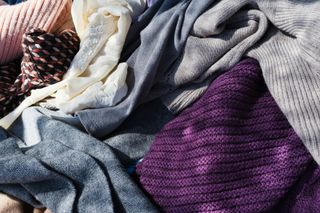
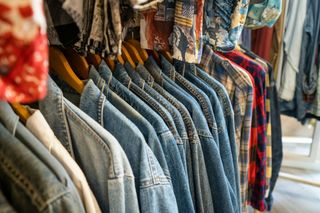
The name comes from calamidade, the Portuguese word for a calamity. In May 2014, the news agency Lusa explained that calamidade was the name given to donated used clothing. In the 1980s and 1990s, humanitarian groups gave such clothing to Mozambicans hit by war or drought.
Zitamar News gave a similar account in March 2025. It said the clothes are known as xicalamidade because such aid traditionally appeared after natural disasters or calamities. The two sources differ on detail. Lusa names war and drought, while Zitamar names natural disasters. Both link the name to aid.
How big is the xicalamidade trade?
In March 2025, Lusa reported on a study commissioned by ADPP Moçambique. It found that second-hand clothing meets the basic clothing needs of at least 80% of the population. It estimated imports at about 36,750 tonnes a year over the last five years. It also counted more than 200,000 formal and informal jobs.
Zitamar cited an ADPP report with a different figure: 85% of the population depends on second-hand clothes, and 95% in towns and cities. The numbers differ, but both describe a mass market. Zitamar also names the main markets: Xiquelene and Xipamanine in Maputo, and Mercado do Goto in Beira.
What should you check before you ship to Mozambique?
In 2014, Lusa described shops in Chimoio, Manica province, supplied by container trucks from the port of Beira. Bales came in different sizes and mixes, including children’s bales. Today, ask a licensed clearing agent in Beira or Maputo to confirm the documents you need before you order.
We ship full containers of Cream, Grade A or Grade B bales. Each container can be inspected by SGS or Bureau Veritas before loading, with the report in your name. You can buy CIF to your port or FOB in Europe. Your pro-forma invoice states the price before any payment.